
Pickling is a process used to clean surfaces that have been discolored by heat introduced during manufacturing. It removes the low-chromium, corrosion-susceptible layer from the steel surface.
At our facility, we pickle stainless, acid-resistant, and duplex steels. Components that do not fit in the tank are treated with spray pickling.
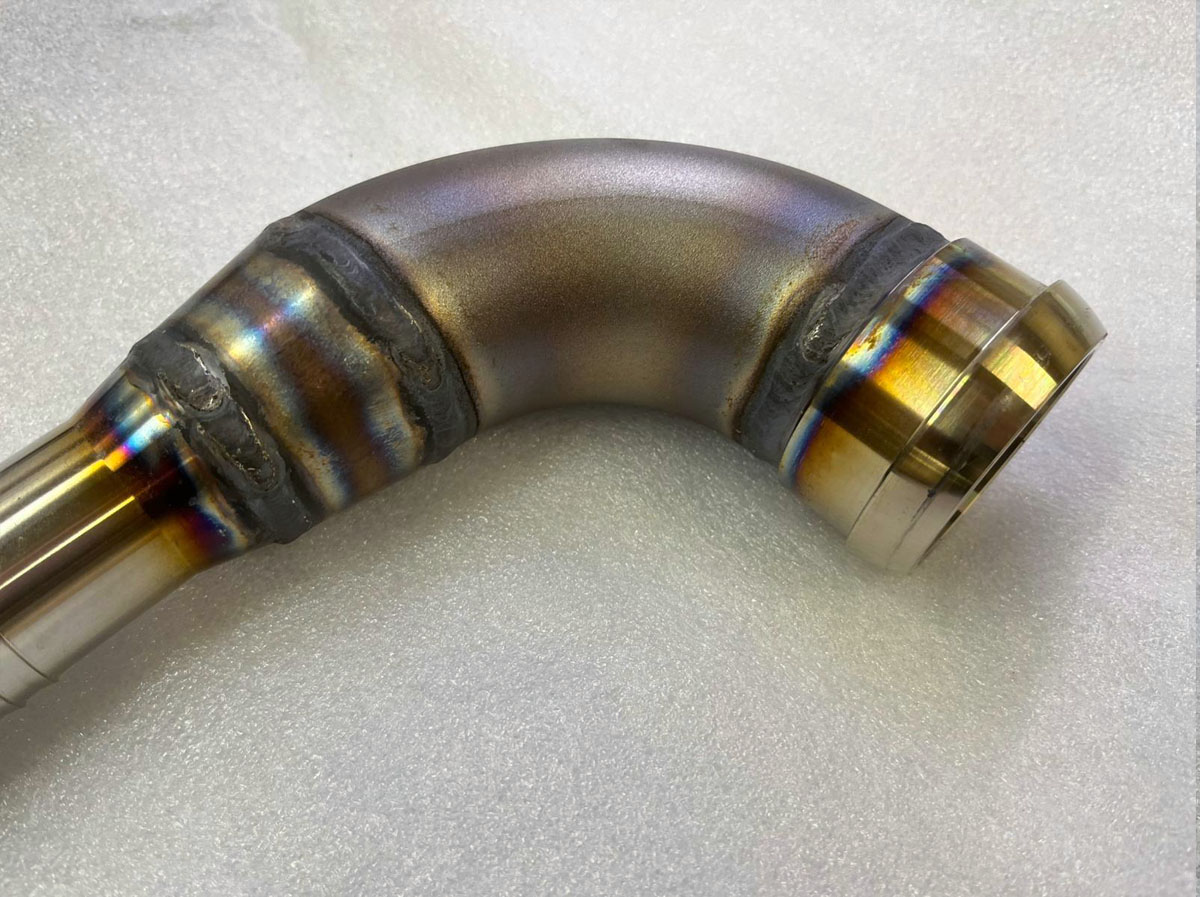
The surface shows heat tint, oxide layers, and welding-related roughness, all of which reduce the corrosion resistance of stainless steel.
Around the weld, there are arc splatters, darkening, and surface irregularities.
After acid pickling, the corrosion-prone layer has been removed from the steel surface. Heat tint and impurities have been eliminated, and the steel naturally regains its original corrosion resistance through exposure to oxygen.
The edges of the welds are clean, with no darkening or discoloration. The result is a technically superior surface that withstands even the most demanding conditions.

Call us and we'll find the best solution for optimizing your stainless steel together.
CEO, Sales
INOX Finland Oy


Contact information
+358 50 406 5535
jyvaskyla@peittaamo.fi
Contact information
+358 50 557 2104
oulu@peittaamo.fi
The surface finish of stainless steel directly affects its corrosion resistance, appearance, and service life. In many workshops, surfaces are still treated mechanically by grinding or brushing, even though chemical pickling often provides a better, faster, and more durable result.
If the goal is a long-lasting, stainless, and easy-to-clean surface, pickling is the recommended choice over mechanical grinding.
Mechanical grinding removes visible oxides, splatter, and weld marks. However, iron contaminants, heat-tint scale, and chromium-depleted layers can remain beneath the surface, reducing corrosion resistance. Grinding tools can also embed foreign metal particles into the surface, which may rust over time.
Pickling, on the other hand, is a chemical treatment where a mixture of nitric and hydrofluoric acid (or an environmentally friendly alternative) removes all impurities and restores the steel’s natural chromium oxide passive layer. This thin, uniform layer effectively protects the steel against rust and pitting corrosion.
Grinding and brushing are labor-intensive processes where the end result always depends on the operator’s technique. Pickling is a chemically controlled process that delivers consistent, repeatable quality — regardless of the part’s shape, size, or weld locations.
Especially when cleaning welds and heat-affected zones, pickling is almost always essential to fully restore the steel’s original corrosion resistance.

Pickling is the most effective and safest way to restore the corrosion resistance of stainless steel. The result is a smooth, bright, and long-lasting surface — with less effort and superior quality.